Ankara (Türkiye)

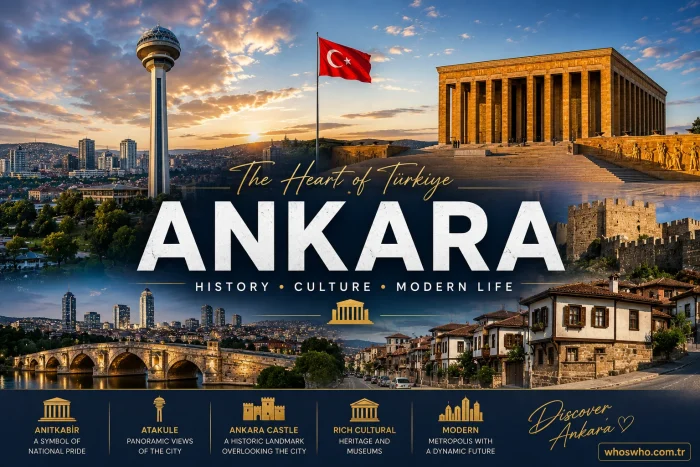
About Ankara
Positioned at the literal and political heart of the Anatolian peninsula, Ankara serves as the modern command center and historic anchor of the Turkish Republic. Choosing this centrally located city as the nation’s capital in 1923 was a brilliant strategic move by Mustafa Kemal Atatürk, transforming a quiet steppe town into a sprawling global metropolis. Today, it stands as Türkiye’s second-largest city, functioning as the primary hub for international diplomacy, state administration, and higher education. Visitors are drawn by a unique cityscape where ancient Roman ruins and Seljuk fortresses sit directly alongside sleek modernist government quarters and vibrant student neighborhoods. Its identity is defined by this sharp contrast between deep bureaucratic gravity and a youthful, dynamic intellectual Energy that continues to guide the country’s modern evolution.
Basic Information About Ankara
| Factor | Detail |
|---|---|
| Country | Türkiye |
| Region | Central Anatolia |
| Population | Approximately 5.8 million |
| Climate | Continental with cold, snowy winters and hot, dry summers |
| Area Size | 25,632 square kilometers |
| Main Industries | Defense Aerospace, State Administration, Higher Education, Health Services, and Software Technology |
| Famous Foods | Ankara Tavası, Ankara Simidi, Beypazarı Kurusu, and Çubuk Turşusu |
| Time Zone | GMT+3 |
| Area Code or License Plate Code | Area Code: 312 / License Plate: 06 |
History
The historical layers of Ankara are remarkably deep, stretching back to Bronze Hall settlements and the prominent Phrygian civilization in the second millennium BC, famously ruled by King Midas. Known in antiquity as Ancyra, the city grew into a vital commercial capital for the Galatians before becoming a highly fortified Roman provincial center under Emperor Augustus. During the Byzantine and Seljuk eras, its strategic hilltop fortress made it a highly contested military prize, eventually absorbed into the expanding Ottoman Empire in the 14th century. For centuries, it functioned as a key trading post on the Silk Road, globally famous for its premium Angora goat wool commerce. The ultimate turning point arrived after World War I, when the city became the operational headquarters for the Turkish National Movement led by Mustafa Kemal Atatürk. Following the successful War of Independence, Ankara was officially declared the capital of the newly founded Republic of Türkiye, triggering a massive architectural and urban planning boom that reshaped the ancient steppe town into a hyper-modern, progressive state capital.
Famous People
Athletes Born in Ankara
- Kartal Özmızrak (Born 1995): A highly talented professional basketball point guard born and raised in Ankara. He developed his early athletic skills before moving to elite clubs like Beşiktaş and Darüşşafaka, winning the prestigious EuroCup trophy and regularly representing the Turkish National Team.
- Ali Eren Beşerler (Born 1975): A commanding football central defender born in the city. He began his professional career with local powerhouse Gençlerbirliği SK before transferring to Beşiktaş, earning international caps for the national line during his competitive prime.
- Merve Çoban (Born 1993): A world-class professional karateka born in Ankara. Competing in the kumite division, she achieved historic international prominence by capturing a bronze medal for her country at the Tokyo 2020 Olympic Games.
- İbrahim Kaş (Born 1986): A versatile professional football defender born in the capital. He rose through prominent youth academies before playing for Beşiktaş and making a high-profile international transfer to Spain’s La Liga with Getafe CF.
- Eren Derdiyok (Born 1988): Although he represented the Swiss National Team globally, this clinical football striker was born to an immigrant family originally rooted in Ankara, maintaining strong cultural and professional ties to Turkish football leagues.
- Taha Akgül (Born 1990): Although born in Sivas, his entire professional Wrestling career and athletic training have been based in Ankara’s elite sports clubs. He stands as an Olympic Champion and multiple-time World Champion in freestyle wrestling, anchoring the capital’s sports legacy.
Singers and Musicians Born in Ankara
- Nil Karaibrahimgil (Born 1976): A highly innovative pop singer-Songwriter born in the capital city. Celebrated for her eccentric fashion and colorful, uplifting lyrics, she achieved massive national fame with hit tracks like “Pırlanta” and “Kanatlarım Var Ruhumda.”
- Özgür Çevik (Born 1980): A popular rock Musician and television actor born in Ankara. He rose to prominent national fame as a finalist on a major musical reality television showcase, later blending his musical pursuits with a highly successful television acting career.
- Ferman Akgül (Born 1979): The dynamic lead vocalist and primary songwriter of the legendary alternative rock band maNga, born and raised in Ankara. He achieved historic international recognition by winning the Best European Act award at the MTV Europe Music Awards and placing second at the Eurovision Song Contest with the hit anthem “We Could Be the Same.”
- Mirkelam (Born 1966): A highly influential pop musician and Composer born in Ankara. He became an overnight cultural phenomenon in the mid-1990s with his unique fast-paced music videos and his self-titled debut album featuring the hit track “Her Gece.”
- Ali Kocatepe (Born 1947): A master composer, singer, and music Producer born in the capital. He played a foundational role in the evolution of modern Turkish pop music, composing hundreds of beloved tracks and representing the nation at various international song festivals.
- Zülfü Livaneli (Born 1946): Though born in Ilgın, Konya, he spent his foundational youth, education, and early artistic formation entirely within Ankara. He is globally celebrated as a master folk-pop composer and Author, crafting legendary humanitarian anthems like “Yiğidim Aslanım Burda Yatıyor.”
Actors and TV Personalities Connected to Ankara
- Cansu Dere (Born 1980): A highly respected television actress and former Model born in Ankara. She achieved massive national and international fame for her brilliant leading performances in cult-classic television series such as “Ezel,” “Sıla,” and “Sadakatsiz.”
- Berak Tüzünataç (Born 1984): A popular film and television actress born in Yalova but professionally formed through her higher education and early Media career based in Ankara. She earned widespread critical acclaim for her roles in prominent historical dramas like “Elveda Rumeli.”
- Erdal Beşikçioğlu (Born 1970): An acclaimed theater and television actor born and raised in the capital. Deeply rooted in the Ankara State Theater, he achieved iconic national status for his raw performance as the lead detective in the cult Crime series “Behzat Ç.: Bir Ankara Polisiyesi.”
- Beren Saat (Born 1984): A globally celebrated television actress born and raised in Ankara. She completed her education at Başkent University before skyrocketing to international prominence as the leading star of massive hit Drama series like “Aşk-ı Memnu” and “Fatmagül’ün Suçu Ne?.”
- Mert Fırat (Born 1981): A highly versatile theater, film, and television actor born in Ankara. He studied acting at Ankara University and went on to anchor numerous critically acclaimed cinematic productions, while co-founding major independent art spaces.
- Filiz Akın (Born 1943): A legendary star of classical Turkish cinema born and raised in the capital. She completed her higher education at Ankara University before moving to İstanbul to become one of the most iconic leading ladies of the golden “Yeşilçam” era.
Businesspeople and Entrepreneurs From Ankara
- Ali Sabancı (Born 1969): A prominent third-generation member of the billionaire Sabancı family, born in Ankara. He served as a high-profile corporate executive before transforming the regional aviation market as the chairman of Pegasus Airlines.
- Erol Sabancı (Born 1938): A highly influential billionaire banker and corporate executive born in the capital city. He played a foundational role in developing Akbank into one of the largest and most successful financial institutions in the country.
- Hamdi Akın (Born 1954): A prominent industrialist and corporate founder born in Ankara. He established Akfen Holding, a massive conglomerate that developed major national infrastructure projects, international airports, and seaport installations.
- Mehmet Nazif Günal (Born 1948): A visionary construction engineer and industrial billionaire born in the capital region. He founded MNG Holding, expanding a local civil engineering firm into a diversified powerhouse spanning aerospace, logistics, and media broadcasting.
- Ahmet Çalık (Born 1958): A prominent billionaire industrialist born in Malatya but who completed his foundational commercial expansion and corporate stabilization through massive institutional infrastructure networks based in Ankara. He directs Çalık Holding, managing international energy, Textile, and mining sectors.
- Rifat Hisarcıklıoğlu (Born 1952): A highly influential corporate leader and industrialist born in Ankara. He has served for over two decades as the president of the Union of Chambers and Commodity Exchanges of Turkey (TOBB), significantly shaping state economic policies.
Tourism
The tourist draw of Ankara lies in its profound connection to the birth of modern Türkiye and its perfectly preserved ancient architectural quarters. Unlike coastal holiday resorts, the capital provides a highly intellectual travel experience centered around world-class national museums, grand republican monuments, and historic administrative structures. Visitors can easily transition from exploring deeply emotional national shrines to walking through cobblestone Ottoman neighborhoods or standing inside ancient Roman temples. The city operates as an essential destination for travelers wishing to understand the ideological and historical foundation of the country.
Anıtkabir
Anıtkabir stands as the monumental mausoleum of Mustafa Kemal Atatürk, the visionary founder and first president of the Republic of Türkiye. Designed by the celebrated Turkish architects Emin Onat and Ahmet Orhan Arda, this massive concrete and travertine complex was completed in 1953 on a prominent hilltop overlooking the city. The complex features a grand symmetrical design that blends elements of ancient Anatolian and modernist architecture, highlighted by the solemn Lion Road and a cavernous Honor Hall housing the symbolic marble sarcophagus. Ziyaretçiler flock here to witness the dramatic changing of the guard ceremony, explore the extensive Underground museum showcasing personal belongings, and experience the deep national respect that fills the vast ceremonial courtyard. It serves as the ultimate national shrine and an essential destination for understanding the identity of modern Türkiye.
- Entrance Fee: Free
- Visiting Hours: 09:00 – 17:00
- Location: Anıt Caddesi, Tandoğan, Çankaya
Museum of Anatolian Civilizations
The Museum of Anatolian Civilizations is a world-class archaeological institution located on the southern slopes of the historic Ankara Castle hill. Housed within two beautifully restored 15th-century Ottoman buildings—a traditional covered bazaar and an old caravanserai—the museum features an unparalleled collection of artifacts from across Anatolia. Ziyaretçiler can browse chronological exhibits displaying rare Paleolithic tools, Neolithic mother goddess sculptures from Çatalhöyük, and incredibly preserved bronze and gold treasures from the Hittite, Phrygian, and Urartian empires. The historic brick arches and domed ceilings provide a dramatic, atmospheric setting for viewing these ancient treasures. It remains an essential destination for international historians and tourists wishing to study the deep roots of human civilization in the Near East.
- Entrance Fee: Approximately 15 USD (2026)
- Visiting Hours: 08:30 – 19:00
- Location: Gözcü Sokak, Kale, Altındağ
Ankara Castle (Ankara Kalesi)
Ankara Castle is a heavily fortified historic citadel that has dominated the city’s skyline since its construction by the Galatians and Romans in the 2nd century BC. The fortress features massive stone walls repaired over centuries by the Byzantines, Seljuks, and Ottomans, protecting a historic residential quarter within the inner compound. Ziyaretçiler can climb up to the high battlements of the Akkale tower to enjoy sweeping panoramic views of the entire metropolis and the rolling hills beyond. The inner castle pathways feature traditional two-story timber-framed Ottoman houses, many of which have been transformed into boutique hotels, art galleries, and antique shops. Walking through this historic neighborhood offers a relaxing escape from the modern city, surrounded by local children playing on cobblestone paths and elder craftsmen working in small wood shops.
- Entrance Fee: Free
- Visiting Hours: Accessible daily from 08:00 – 20:00
- Location: Kale Neighborhood, Altındağ
Hamamönü Historic District
The Hamamönü Historic District is a beautifully restored old residential neighborhood that showcases the traditional domestic architecture and daily life of 19th-century Ottoman Ankara. This historic preservation zone features narrow, pedestrianized alleys lined with classic white-washed timber houses, old mosques, and historic stone fountains. Ziyaretçiler visit this area to shop for traditional handmade lace, leather goods, and regional souvenirs at local craft workshops, or to dine at authentic restaurants serving classic central Anatolian dishes. The heart of the district is the historic Karacabey Hamamı, a fully functional 15th-century Ottoman bathhouse that continues to welcome bathers today. The entire neighborhood comes alive during the evening, filled with the aroma of roasted Turkish coffee and the soft sound of classical string instruments playing outside local teahouses.
- Entrance Fee: Free (Public historic district)
- Visiting Hours: Accessible 24/7 (Shops typically open 09:00 – 22:00)
- Location: Sarıkadı Neighborhood, Altındağ
Temple of Augustus and Rome
The Temple of Augustus and Rome is a highly significant ancient monument constructed around 25 BC following the Roman conquest of central Galatia. Positioned directly adjacent to the historic Hacı Bayram Mosque, the temple features beautifully carved marble walls that hold the most complete copy of the Res Gestae Divi Augusti. This historic inscription is a detailed autobiographical account of the political achievements and military victories of Roman Emperor Augustus, carved into the stone walls in both Latin and Greek. Ziyaretçiler visit this unique archaeological site to view the classical architecture and observe how different layers of Roman polytheism and Ottoman Islamic culture have stood side by side for hundreds of years. The surrounding square is beautifully landscaped, offering a peaceful space for reflection amid the busy city center.
- Entrance Fee: Free (Viewable from the public viewing platform)
- Visiting Hours: Accessible 24/7
- Location: Hacı Bayram Neighborhood, Altındağ
Economy
Ankara operates as a vital powerhouse for the Turkish economy, functioning as the nation’s premier center for advanced defense manufacturing, aerospace technology, and software development. As the political capital, it holds the highest concentration of public sector Finance, state-owned corporations, and regulatory banking boards, anchored by the Central Bank of Türkiye. The city is connected to global commercial markets via the modern Esenboğa International Airport, which handles high volumes of diplomatic and commercial cargo traffic. A comprehensive network of high-speed passenger rail lines radiates directly from the central Ankara Train Station, linking the capital smoothly with İstanbul, Konya, and Eskişehir.
The manufacturing sector is highly organized within several massive industrial zones, most notably the OSTİM Organized Industrial Region, which functions as one of the largest small-to-medium enterprise manufacturing networks in the Middle East. The city has seen massive public and private investments pour into dedicated technoparks and university software incubators, turning it into the nation’s premier digital engineering hub. Major national defense giants, including ASELSAN, ROKETSAN, and TUSAŞ, maintain their primary corporate research facilities and assembly plants in the capital, driving billions of dollars in premium export contracts annually. Through this sophisticated engineering makeup, Ankara contributes significantly to national technological independence and economic growth.
Famous Foods of Ankara
- Ankara Tavası
This rich lamb dish is the ultimate culinary symbol of the capital, traditionally prepared to celebrate major family gatherings and historic holidays. It features tender chunks of local lamb meat cooked alongside fresh green peppers, garlic, and ripe tomatoes, served over a generous bed of oven-baked barley noodles or premium rice pilaf. The meat is baked slowly inside heavy copper trays until it becomes incredibly tender and falls off the bone. Ziyaretçiler can enjoy this authentic dish at historic restaurants located around the Ankara Castle and Hamamönü districts. It holds great cultural value as a traditional meal that highlights the historic pastoral traditions of the Central Anatolian region.
- Ankara Simidi
Ankara Simidi is a unique, dark-colored variant of the classic Turkish sesame bread ring, celebrated across the country for its distinctive crisp texture and rich flavor. Prepared by dipping the yeast dough rings directly into deep, concentrated grape molasses (pekmez) before heavily coating them in sesame seeds and baking them inside wood-fired brick ovens. This specialized process gives the outer crust a deep mahogany color and a slightly sweet, smoky flavor. Locals typically purchase them fresh from historic street carts during their morning commutes, pairing them with fresh white cheese and a glass of black tea. It represents an essential, affordable breakfast staple enjoyed daily by students and state workers alike.
- Beypazarı Kurusu
This twice-baked traditional biscuit is a beloved culinary specialty originating from the historic Beypazarı district of the capital. Made using a rustic dough enriched with pure butter, fresh milk, and a distinct touch of aromatic cinnamon, it is cut into small wedges before undergoing a specialized drying bake. This unique process gives the biscuit an extremely hard texture and a remarkably long shelf-life, allowing it to be stored for months without losing its flavor. Ziyaretçiler visit traditional bakeries to purchase bags of this crunchy snack, traditionally dipping it into hot tea to soften the biscuit before eating. It represents an authentic baking heritage that has remained unchanged since the Ottoman era.
Sports Culture in Ankara
Sports function as a highly energetic element of daily life in Ankara, driving intense neighborhood loyalties and supporting a healthy lifestyle across the capital. The city is home to several historic sports clubs, including Ankaragücü, Gençlerbirliği, and Osmanlıspor. The matches are held in modern, world-class venues like the Eryaman Stadium, where fans create an incredibly passionate matchday atmosphere filled with coordinated chants and traditional regional folk music.
Beyond football, the city stands as a dominant European capital for professional volleyball and basketball, with corporate-backed clubs like Halkbank and Türk Telekom consistently competing for international trophies at the Ankara Arena. The municipality invests heavily in expansive public sports parks, encouraging residents to utilize extensive running trails around Eymir Lake and the coastal rowing facilities at Mogan Lake. From the lively sports debates in historic tea houses to the morning athletic groups running through Atatürk Forest Farm, sports remain a vital element of the city’s modern identity.
Interesting Facts About Ankara
- While it serves as the ultimate political and administrative center of modern Türkiye, it was a quiet town of fewer than 30,000 residents before being officially declared the capital in 1923.
- The city is the ancestral home of the globally famous Angora goat, which produced the highly prized mohair wool that dominated European textile trade for centuries.
- The ancient Temple of Augustus in the city center preserves the world’s most complete surviving copy of the Res Gestae Divi Augusti, an ancient autobiographical text detailing the life of the first Roman Emperor.
- The historic Ankara Castle features outer walls built using salvaged marble columns, ancient statues, and gravestones taken from ruined Roman monuments during medieval sieges.
- The city features an extensive network of subterranean bunkers and escape tunnels constructed beneath the government quarters of Kızılay during the Cold War era.
- The city’s elite Gençlerbirliği SK football club was originally founded in 1923 by a group of passionate students from the historic Ankara Atatürk High School.
Frequently Asked Questions
- Where is Ankara located?
Ankara is situated in the central heart of the Anatolian peninsula, positioned in northwestern Türkiye. This strategic central geography places it at a vital crossroads connecting Europe with the Middle East and the Caucasus region.
- What is Ankara famous for?
The city is famous for its role as the official capital of the Republic of Türkiye and housing Anıtkabir, the grand mausoleum of Mustafa Kemal Atatürk. It is also celebrated globally for its unique animal breeds, including the Angora goat and cat, and its world-class archaeological museums.
- Which celebrities were born in Ankara?
Ankara is the birthplace of several internationally recognized public figures, including television actress Cansu Dere, global star Beren Saat, and theater icon Erdal Beşikçioğlu. It has also produced major business leaders such as airline chairman Ali Sabancı.
- What are the best tourist attractions in Ankara?
The most popular historic destinations include Anıtkabir, the comprehensive Museum of Anatolian Civilizations, the high stone battlements of Ankara Castle, and the historic Ottoman alleys of the Hamamönü district. Ziyaretçiler also enjoy touring the ancient Temple of Augustus.
- Is Ankara economically important?
Yes, Ankara is a vital economic pillar for Türkiye, operating as the second-largest metropolitan economy in the country. It functions as the ultimate national center for the high-tech defense aerospace industry, state finance administration, and software engineering.
- What foods is Ankara known for?
The city is famous for its rich lamb-based Ankara tavası and its distinctive, molasses-dipped Ankara simidi. It is also celebrated for traditional regional specialties like dry Beypazarı kurusu biscuits and spicy Çubuk pickles.
Short Link:
Link copied!