
Political Crisis in Northern Cyprus

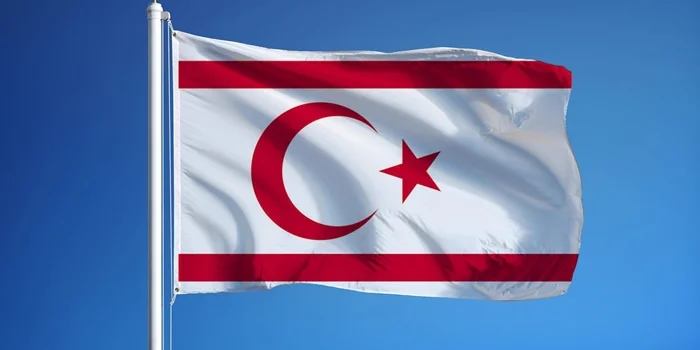
Political Crisis in Northern Cyprus: Unions Call for Government Resignation Amid Economic Turmoil
NICOSIA — The Turkish Republic of Northern Cyprus (TRNC) is facing a significant wave of social and political unrest as major trade unions and citizens demand the immediate resignation of the government. The crisis reached a boiling point on April 6, 2026, following a series of controversial economic decisions that have left the public and labor sectors in a state of defiance.
The Spark: The Cost-of-Living Decree
The primary catalyst for the current unrest is the government’s decision to bypass the legislature and issue a “decree with the force of law” regarding the Cost-of-Living Allowance (COLA). Historically paid every six months to protect workers against high inflation, the new regulation stipulates that these payments will now be consolidated into only two stages: April 2026 and January 2027. Unions argue this effectively freezes wages and strips away the constitutional rights of public sector employees, retirees, and minimum wage earners.
Escalation at the Parliament
A nationwide general strike, supported by over 60 trade unions and civil society organizations, paralyzed services across the country. In the capital, Nicosia, thousands of protesters descended on the Republic’s Assembly (Parliament). The situation turned volatile when demonstrators breached police barricades to enter the parliamentary grounds, chanting slogans such as “Government Resign” and “Shoulder to Shoulder Against Fascism.” Reports indicate that security forces utilized pepper spray and water cannons in an attempt to disperse the crowds, leading to heated physical confrontations.
Presidential Intervention and the Deadlock
President Tufan Erhürman has taken an active role in attempting to mediate the crisis. After meeting with union leaders directly at the protest site, Erhürman summoned Prime Minister Ünal Üstel and cabinet members for an emergency meeting at the Presidential Palace.
While the government has proposed a “negotiation table” consisting of representatives from both sides, union leaders have flatly rejected the offer. Leaders from unions like KTAMS and KTOEÖS stated that their struggle will continue until an early election date is set or the government steps down.
Economic Impact
The ongoing strike has significantly impacted public life, with schools closed, hospital services limited to emergencies, and major infrastructure projects halted. As the legal battle over the decree’s constitutionality continues in the Supreme Court, the political atmosphere remains tense, with no immediate resolution in sight.
Short Link:
Link copied!